The Future of Smart Watches: From Gadget to Personal Health Companion
Smart watches have gone through huge changes in the past decade. Early models were basically mini smartphones on wrists. Today and in the near future, they are evolving toward professional personal health companions.
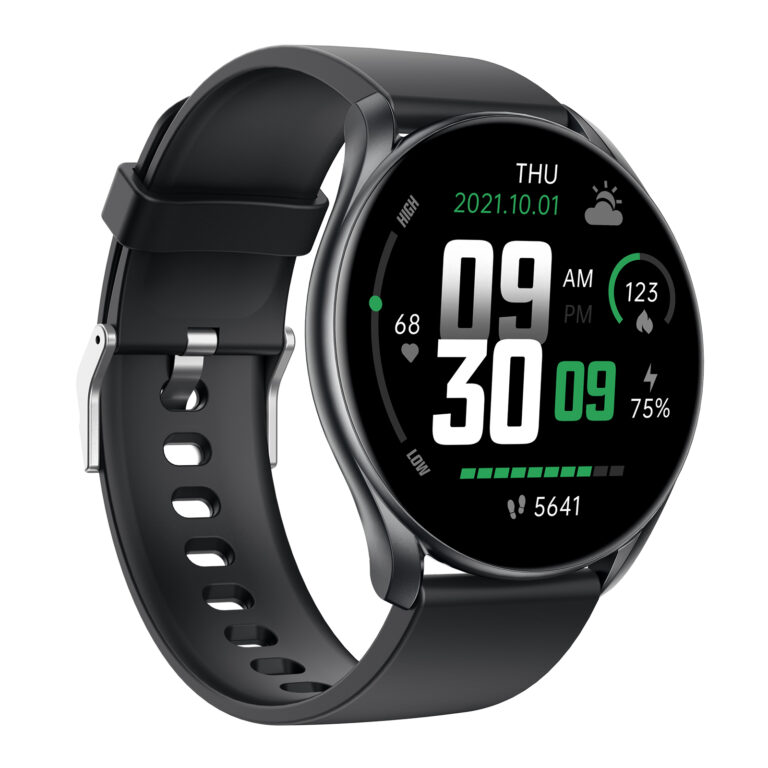
Advanced biometric sensors are one major driving force. New‑generation watches can track skin temperature, stress level, and more vital signs. Powered by on‑device AI, they no longer only show raw numbers. Instead, they analyze long‑term data and give personalized suggestions: adjust sleeping time, modify workout intensity, or warn users about unusual body changes.
Battery technology keeps improving as well. Long‑endurance chips, solar‑assisted charging and intelligent power management are solving the old pain point of short battery life. More devices can run for weeks under normal use, making 24‑hour continuous health monitoring possible.
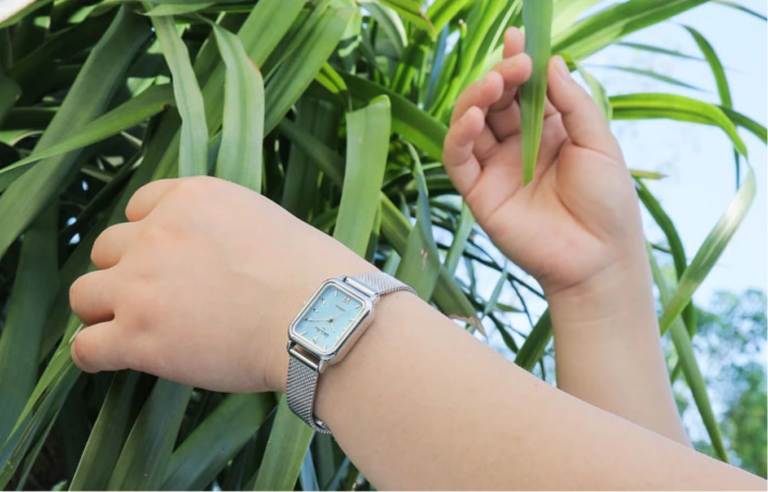
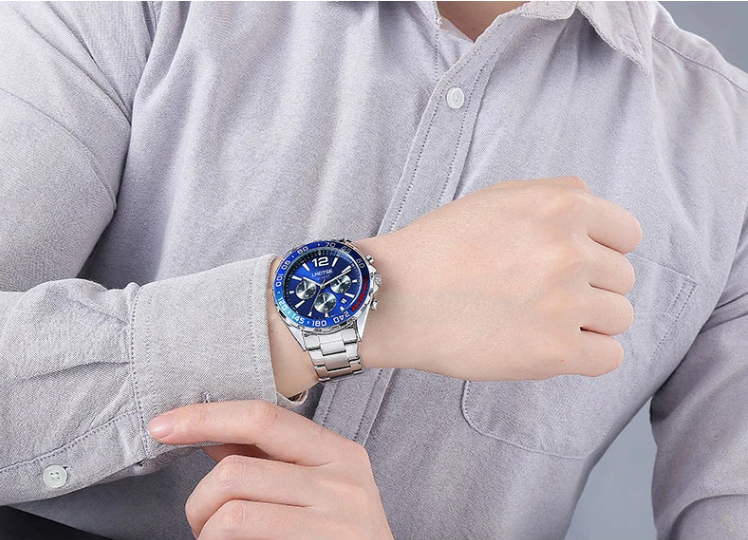
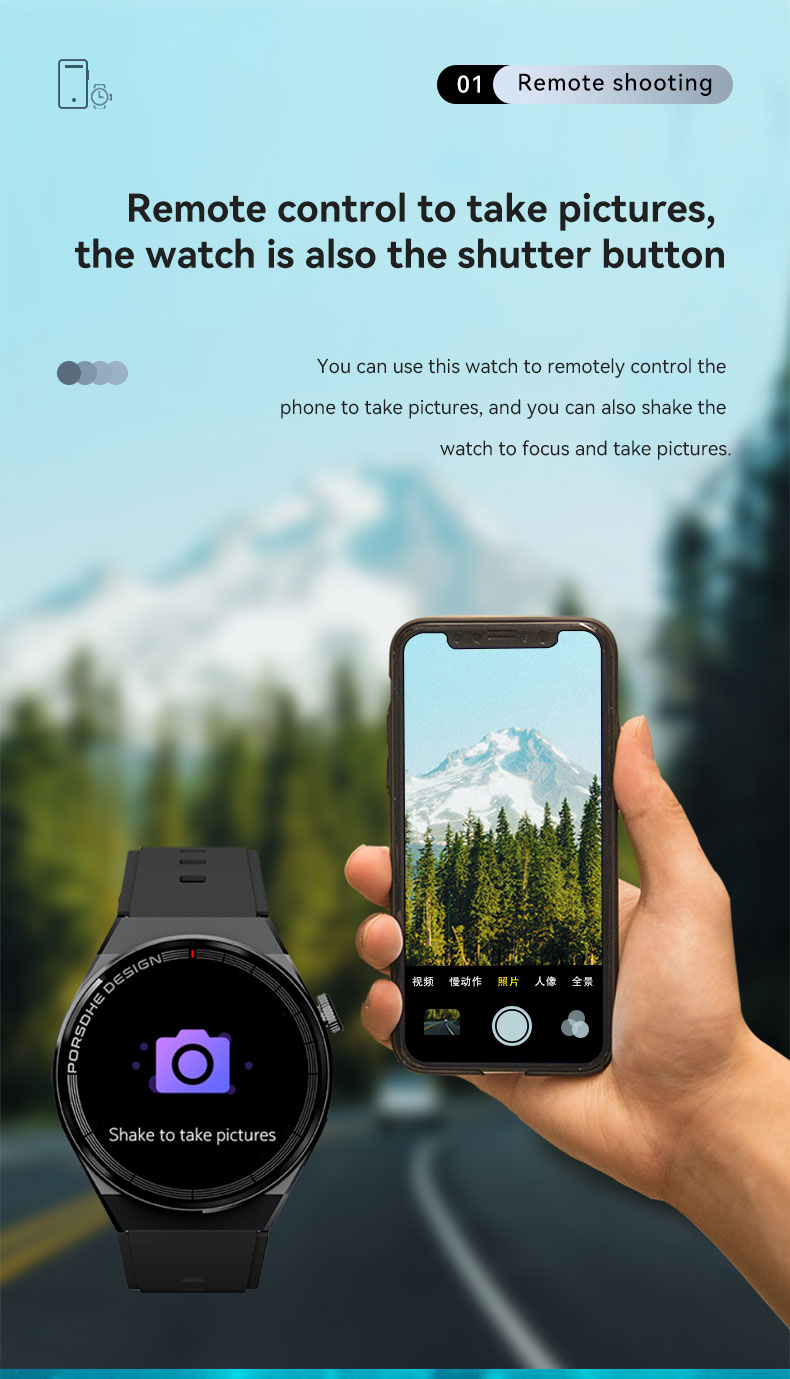
Besides health, connectivity keeps expanding. Stand‑alone LTE, satellite emergency SOS and smart home control make watches work well even without a nearby smartphone. Meanwhile, brands pay more attention to design: lighter weight, stylish appearance and eco‑friendly materials, trying to fit formal business occasions as well as sports scenarios.
Still, challenges remain. Sensor accuracy needs further improvement. Data privacy of wearable devices deserves our attention. We should understand that consumer smart watches cannot replace professional medical equipment.
In short, tomorrow’s smart watch will not focus more on app quantity. It will quietly monitor our body in background, give practical advice, and blend naturally into everyday life.